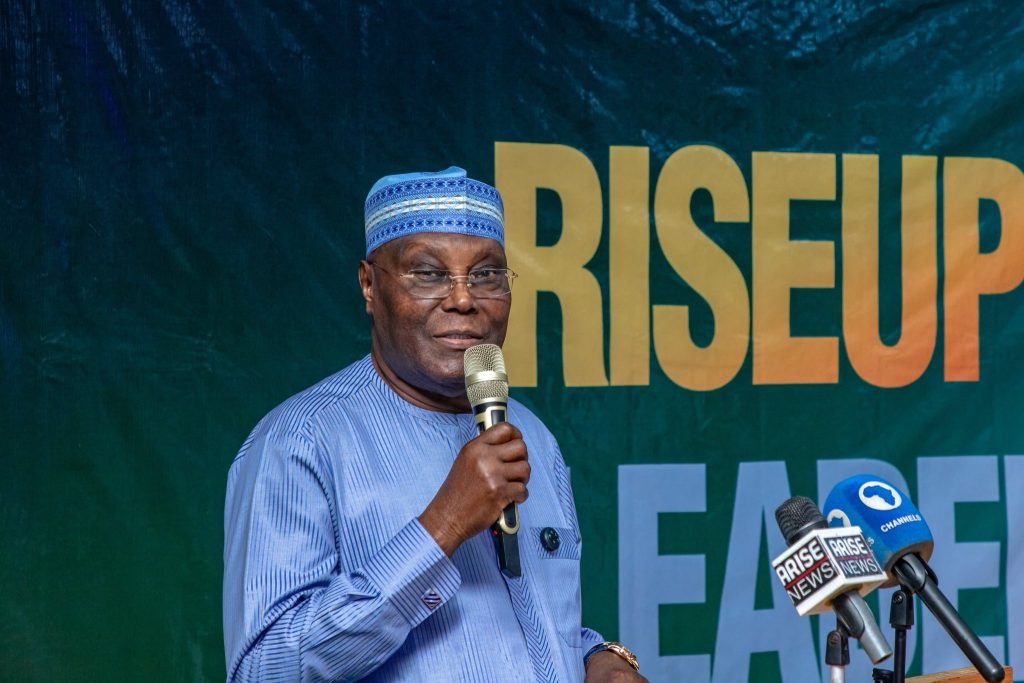
ADC Presidential candidate, Atiku Abubakar
For millions of households across Nigeria, the lived reality of the past three years has been defined by soaring food inflation, eroding wages, and an unprecedented rise in the cost of basic survival. In response to this widespread distress, former Vice President Atiku Abubakar has presented a clear, citizen-centered agenda for 2027 built around a simple guiding principle: Put Nigerians First.
At the core of his vision is a comprehensive 7-point pledge designed to stabilize the economy, restore social safety nets, and rebuild national prosperity:
Restore Fuel Subsidy (Targeted Relief): Re-establishing a targeted cushion to crash transport costs and curb energy-driven food inflation without enabling systemic import fraud.
Reduce the Cost of Living: Rebuilding the purchasing power of the naira so everyday earnings can feed families and sustain households.
Create Jobs & Opportunities: Unlocking growth sectors to absorb Nigeria’s vast pool of talent into productive, gainful employment.
$10 Billion Youth Financing: Directing substantial venture capital toward young entrepreneurs and tech-driven innovation to turn youth capacity into an economic engine.
Strengthen Security: Overhauling national security architecture down to the grassroots level to protect lives, farmland, and commercial corridors.
Reform Nigeria’s Political Structure: Restoring true federalism, implementing cost-of-governance reforms like the Oronsaye Report, and guaranteeing full local government autonomy.
Border Opening: Reopening land borders to jumpstart regional commerce, lower food distribution costs, and reactivate local trade ecosystems.
Why This Blueprint Matters
Atiku’s 7-point platform directly targets the key drivers of current hardship. Restoring a targeted fuel cushion addresses the immediate ripple effect that unbuffered energy costs have had on transport and food prices. Reopening land borders corrects trade bottlenecks that severely paralyzed border economies and restricted regional commerce. Furthermore, dedicating $10 billion specifically to youth financing shifts the economic strategy away from small government handouts and toward sustainable, enterprise-led wealth creation.
Atiku’s structural promises—enforcing local government autonomy and implementing long-overdue public administration efficiency—demonstrate an understanding that micro-economic relief must be backed by institutional governance.
By anchoring his 2027 platform around these seven concrete pillars, Atiku Abubakar offers a realistic roadmap out of economic distress—proving that macro-economic reform and the immediate welfare of citizens can, and must, go hand in hand.