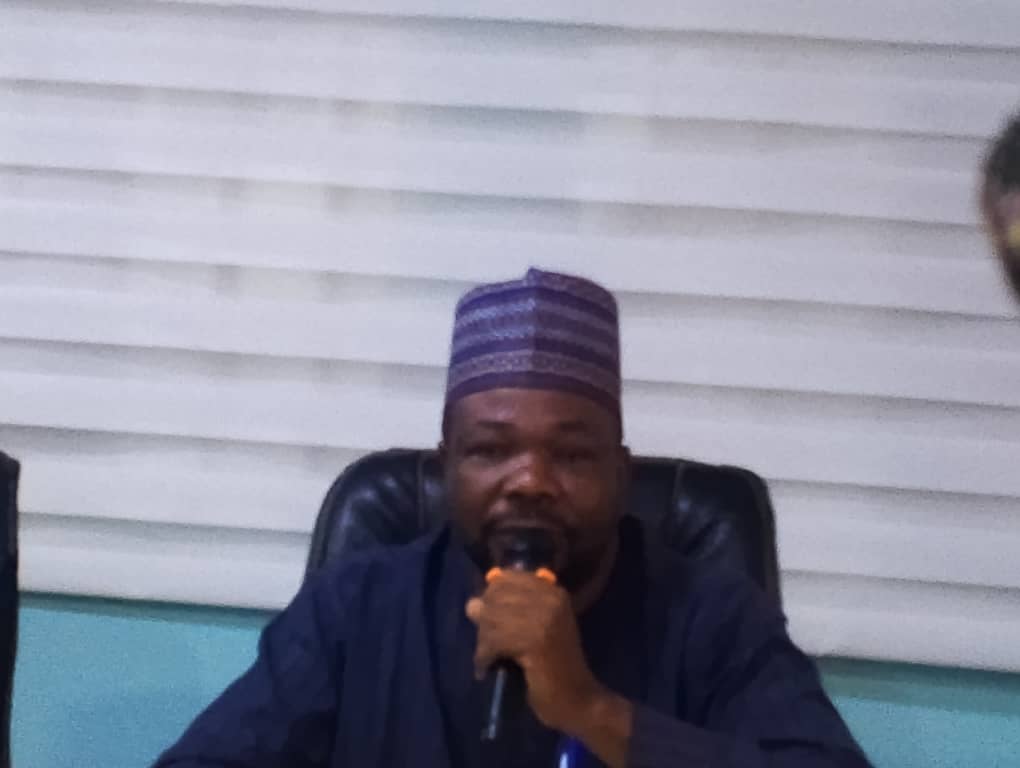
Director of Public Health in the Borno State Ministry of Health and Human Resources, Dr. Goni Imam Ali
Borno State Government has procured five million insecticide-treated nets (ITNs) for distribution across the state’s 26 local government areas as part of a renewed campaign to reduce malaria infections and protect millions of residents from the mosquito-borne disease.
The government also called on journalists to monitor the distribution process to ensure the mosquito nets reach the intended beneficiaries and to support public awareness on their proper use.
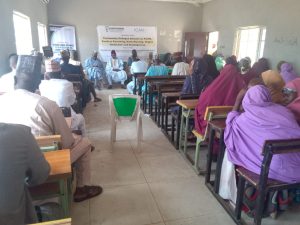
The State Director of Public Health in the Borno State Ministry of Health and Human Resources, Dr. Goni Imam Ali, made this known on Monday during a one-day orientation for media personnel organised by the Malaria Consortium in collaboration with the ministry at the Public Emergency Operations Centre (EOC) in Maiduguri.
Dr. Ali said the training was designed to prepare journalists for the household registration exercise and the statewide distribution campaign.
He explained that the registration of households, including children, wou.ld be carried out across designated wards using digital technology to improve transparency, accuracy and accountability in the door-to-door distribution exercise.
According to him, the State Malaria Elimination Programme (SMEP) has assigned the media the responsibility of tracking the distribution of the five million insecticide-treated nets to ensure they reach households across the state.
Dr. Ali said the government was also strengthening other malaria control measures through proper waste management, compliance with medical treatment and sustained public enlightenment campaigns.
He added that awareness campaigns were being extended to hard-to-reach communities, while health facilities across the state were also intensifying education on malaria prevention.
He urged residents to support the campaign by keeping their surroundings clean, following medical advice and sleeping under insecticide-treated nets every night.
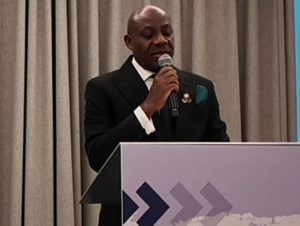
Also speaking, the Social and Behaviour Change Communication (SBCC) Director of the Malaria Consortium, Mr. John Dada, urged journalists to play an active role in the success of the campaign.
He encouraged media practitioners to monitor the distribution process, verify information and report any gaps that could affect the programme.
“As watchdogs of society, you have the responsibility of checking how the nets are distributed to households and ensuring that they reach the intended beneficiaries,” he said.
Dada also urged journalists to provide accurate information to the public, correct misinformation and promote the importance of collecting and properly using the insecticide-treated nets.
In a presentation during the orientation, Mr. Emma Bagudu of the Malaria Consortium highlighted the global malaria burden, noting that Nigeria remains the country with the highest number of malaria cases worldwide.
According to the presentation, Nigeria accounts for about 27 per cent of global malaria cases, followed by the Democratic Republic of the Congo with 12 per cent, Uganda with five per cent, and Mozambique with four per cent.
He also outlined the stages of the campaign, including state engagement, micro-planning, implementation and post-campaign activities aimed at ensuring effective coverage across Borno State.
Malaria remains one of the leading causes of illness and death in Nigeria, particularly among children under five years and pregnant women. Health experts identify the consistent use of insecticide-treated mosquito nets as one of the most effective and affordable ways of preventing malaria transmission.
The Borno State Government, in partnership with the Malaria Consortium and other health partners, has already deployed about 4,200 mobilisation and distribution personnel to ensure the successful distribution of the five million mosquito nets to households across the state. The campaign is expected to improve access to malaria prevention tools and reduce the disease burden in communities, including hard-to-reach areas.