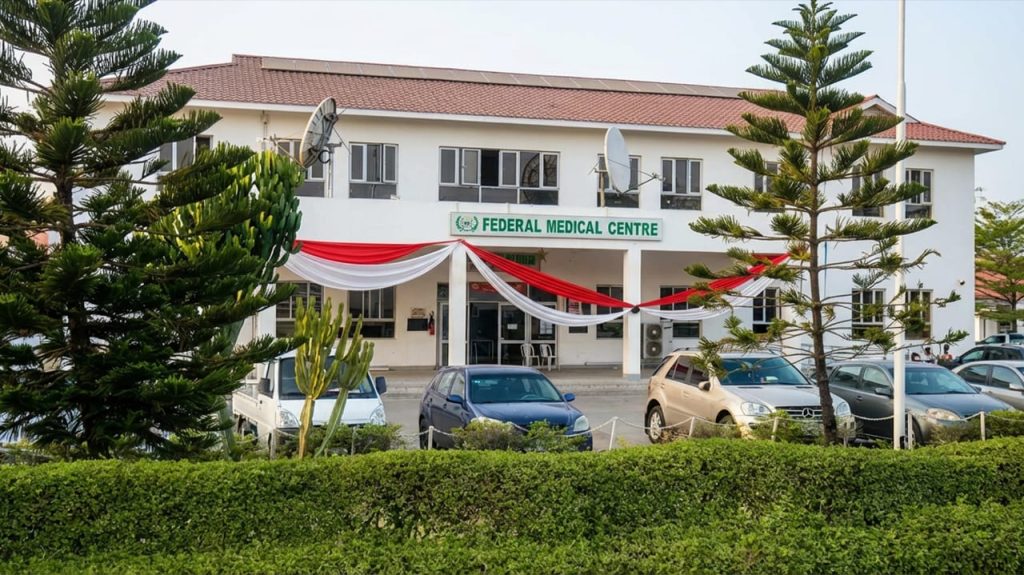
Federal Medical Centre (FMC) Jabi, Abuja has recorded 11 cases of snakebite between January and October 2026, with its Medical Director, Prof. Saad Aliyu Ahmed warning Nigerians against delaying hospital treatment after encounters with poisonous reptiles.
Ahmed, who disclosed this during an interview with journalists in Abuja, said the hospital had recorded at least one snakebite case almost every month this year, with two cases in July, three in August and two in October.
One of the recent cases successfully treated by the hospital involved the daughter of Mrs Alu Azege, who was bitten by a snake while in school in Abuja just last week.
Azege, who testified to the hospital’s intervention, expressed gratitude to FMC Jabi for providing the medical care that helped her daughter recover and return to school.
The case, according to her account, demonstrated the importance of prompt access to medical attention in managing snakebite emergencies.
Discussing the possibles causes of snakebite, Prof. Ahmed attributed the increasing encounters between humans and reptiles partly to rising environmental temperatures associated with El Nino, which he said could force snakes out of their natural habitats in search of cooler environments.
According to him, the movement of reptiles into residential areas increases the likelihood of encounters with humans, particularly where environmental sanitation and physical planning are poor.
“With increased environmental temperature, you expect some reptiles to actually be affected. Certainly, they will come out of their hiding in order to get cooler environments where they can now live,” he said.
For effective treatment, the FMC Jabi MD advised Nigerians to take snakebite incidents seriously and ensure that victims are taken to the nearest hospital immediately for proper medical attention.
He cautioned against panic and inappropriate first-aid practices, stressing that applying a tourniquet too tightly could restrict blood circulation and cause further complications.
“What is most important is to get the person to the nearest hospital as soon as possible,” he said.
Ahmed explained that snake venom could affect different parts of the human body, depending on the species involved, with some toxins attacking the nervous system and potentially causing respiratory failure, while others destroy red blood cells and could lead to bleeding and multiple organ failure.
He also warned that scorpion stings could cause severe pain and anaphylactic reactions, which may result in shock and inadequate blood supply to vital organs.
On the availability of anti-snake venom, the medical director dismissed concerns that the hospital lacked the medication, explaining that FMC Jabi had access to polyvalent anti-snake venom through supplies from the Federal Ministry of Health and Social Welfare.
He said the hospital had administered two doses of polyvalent anti-snake venom in a previous case that attracted public attention, insisting that the patient’s poor outcome was associated with delays in getting the victim to the facility.
According to him, polyvalent anti-snake venom can treat bites from different snake species, while monovalent anti-snake venom is used when the particular snake responsible for the bite has been identified.
He stressed that early presentation was critical to preventing the venom from causing irreversible damage to vital organs.
“If you are able to transmit the person in less than 15 to 30 minutes, that is a very good time within which intervention can be taken,” he said.
Ahmed also advised residents to maintain clean surroundings, avoid indiscriminate dumping of refuse and the accumulation of materials that could provide hiding places for snakes.
Explaining ways to prevent further snake bites, the MD said properly planned residential environments should reduce the presence of reptiles, adding that poorly arranged buildings and unkempt surroundings could create suitable habitats for them.
On public awareness and government intervention, Ahmed disclosed that a health facility in Gombe State had been upgraded to a tertiary healthcare and research centre to focus on snakebite management and research, including efforts towards local production of anti-snake venom.
He, however, acknowledged the need for more public enlightenment on snakebite prevention and appropriate emergency response.
Beyond snakebite management, the FMC Jabi MD said the hospital had expanded its infrastructure and services to accommodate increasing patient numbers, revealing that its monthly outpatient attendance had risen from about 5,000 to 6,000 in 2020 to approximately 30,000 currently.
He said the hospital had responded by expanding existing buildings vertically, relocating administrative offices to create more space for clinical services and adopting electronic medical records.
According to him, the hospital has become fully paperless in its clinical operations, with an electronic payment system that allows patients to fund their accounts and access different services without repeatedly moving between billing points.
Ahmed listed kidney transplantation, open-heart surgery, laser procedures, complex neurosurgery and orthopaedic operations among the specialist services available at the facility.
On cancer treatment, he said the hospital was strengthening its oncology department, which currently has two consultants, chemotherapy facilities and a multidisciplinary team responsible for managing cancer patients.
He added that the hospital also operates a preventive oncology clinic, supported by the Nigerian Institute for Cancer Research and Treatment, where patients undergo screening to facilitate early detection and treatment.
The MD disclosed that the hospital was in discussions with the Federal Ministry of Health and Social Welfare to establish radiotherapy services to complement existing cancer treatment facilities, particularly amid the pressure on the National Hospital, Abuja.
On the migration of Nigerian healthcare professionals, popularly known as Japa syndrome, Ahmed said the most severe period was between 2020 and 2022, when several developed countries increased recruitment of healthcare workers following the COVID-19 pandemic.
He, however, said the situation had stabilised in recent years, attributing improved recruitment opportunities in federal hospitals partly to government efforts to simplify the recruitment approval process.
He also said increased funding for medical education through the Tertiary Education Trust Fund (TETFund) was expected to support the expansion of admission quotas in medical, pharmacy and nursing schools.
The MD further disclosed that the hospital had received warrants for its 2025 capital budget but was awaiting cash backing to implement projects aimed at addressing some of its infrastructure and operational challenges.
On the rising heat associated with El Nino, Ahmed advised Nigerians to wear light clothing, drink sufficient water, avoid prolonged exposure to direct sunlight and seek shelter during periods of intense heat.
He warned that dehydration and heatstroke were major risks during periods of elevated temperatures, urging residents to remain vigilant and maintain clean surroundings to reduce encounters with reptiles.