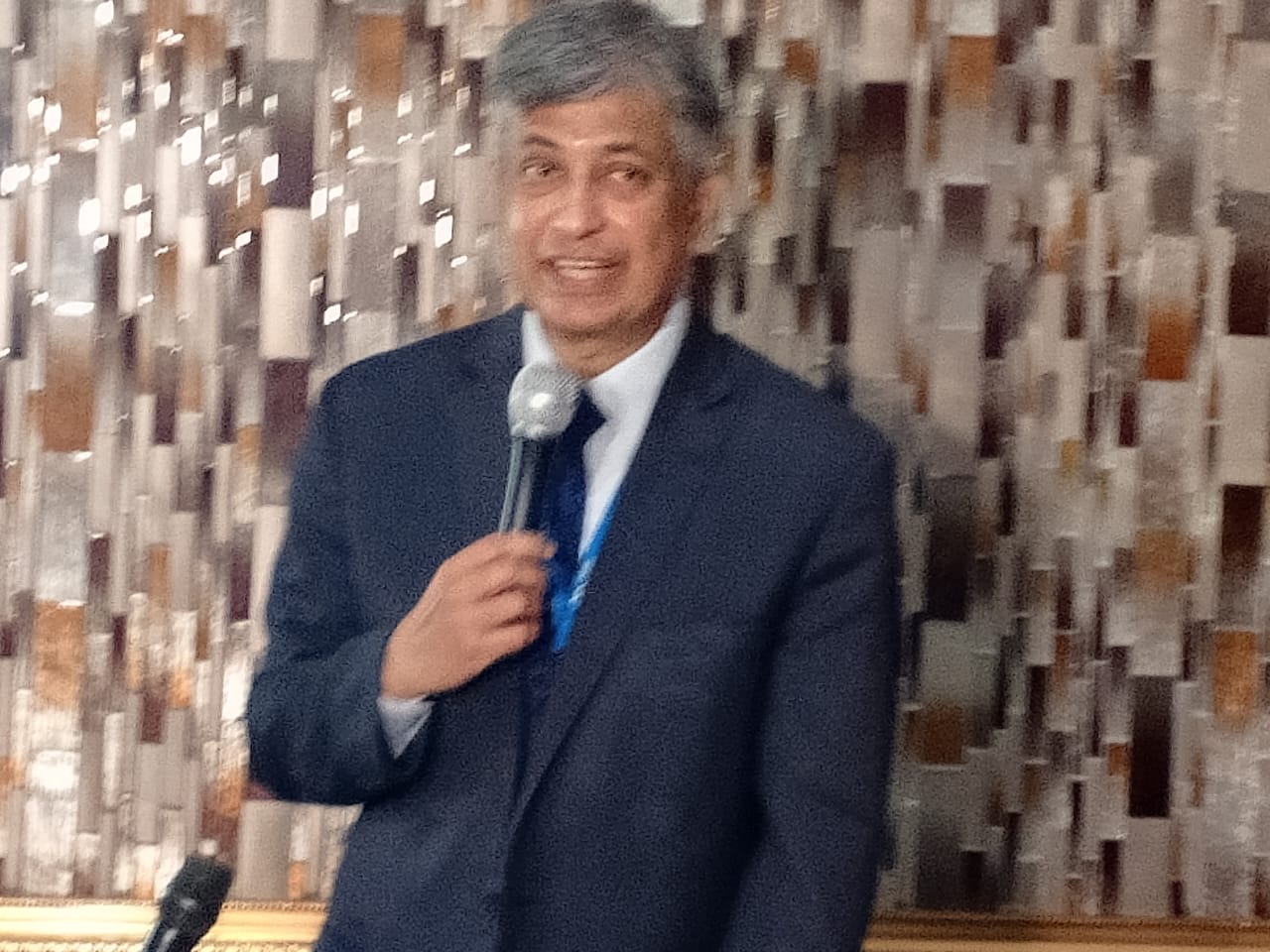
UNICEF Chief of Borno State Office, Dr. Tushar Rane
The Chief of Field Office for United Nations Children’s Fund (UNICEF) in Borno State, Dr. Tushar Rane, has revealed that 2.8 million children under five, pregnant, and lactating women are in need of preventative nutrition services in the northeast region of Nigeria.
“If we don’t provide quality preventative services, approximately 1.7 million boys, girls, women, and adolescents across the BAY states are likely to be affected by Acute Malnutrition during 2024, including 206,779 pregnant and lactating women expected to suffer acute malnutrition,” Dr. Rane said at a one-day child malnutrition media dialogue and capacity building for journalists in the Northeast.
Dr. Rane emphasized that child malnutrition is a tragedy and that there is no better way to #ACTForHumanity than to advocate for a better response to child malnutrition. He commended the government partners from Borno, Yobe, and Adamawa for their collaboration and support.
According to the 2023 Lean Season Nutrition and Food Security Surveillance (NFSS) Round 13, the prevalence of global acute malnutrition (GAM) among children under five in Borno is 10.2%, 8.0% in Yobe, and 4.0% in Adamawa. This translates to an estimated 511,807 children under five suffering from severe acute malnutrition annually.
UNICEF is working with 46 partners to support nutrition activities in the states, including 765 outpatient treatment programs and 50 stabilization centers. With support from UNICEF and donors, the government is currently supporting 4,383 child nutrition mobilizers to screen for malnutrition at the community level.
Dr. Rane highlighted that the collaborative efforts of the government and partners have led to the treatment of over 460,000 children for acute malnutrition across Borno, Adamawa, and Yobe states in 2023, a 37% increase over the same period in 2022.
UNICEF is also supporting the government to pilot holistic programs to address child malnutrition, including a proactive screening approach to identify children with SAM and a family approach to malnutrition screening that has empowered over 100,000 caregivers to screen and identify children with acute malnutrition.