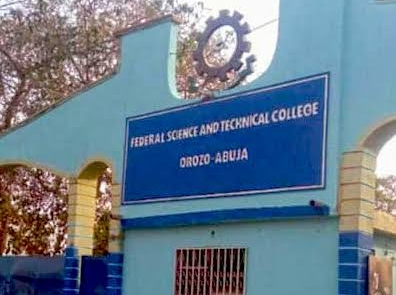
Principal of Federal Technical College (FTC) Orozco, Abuja, Dr Stella Uhuegbu says the institution is prioritising practical training to equip students with the technical skills required under the Federal Government’s new curriculum.
She said the college was committed to ensuring that students acquire both theoretical knowledge and practical competencies in line with the government’s Technical and Vocational Education and Training (TVET) initiative.
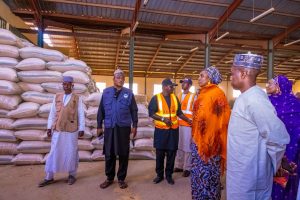
Dr Stella, who spoke during an interview in Abuja when the representative of the Federal Ministry of Education led by the National Project Monitoring Officer TVET/IDEAS, Olatunji Odewunmi, led newsmen round the TVET facilities, explained that the new curriculum required a 70 per cent practical and 30 per cent theoretical learning approach.
According to her, the college has made adequate provision for training materials, technical instructors and increased time for practical sessions to achieve the objective.
“In achieving the Federal Government’s mandate for the students, we ensure that they are not only taking in the theoretical aspects, but also have the practical skills.
“We have the materials for them, and we allocate more time for practical training.
According to the Federal Government’s new curriculum, the TVET initiative is 70 per cent practical and 30 per cent theory,” she said.
On concerns raised over the conduct and level of training at the garment-making section, the principal clarified that the trainees observed during the visit were participants in a six-month informal skills acquisition programme, distinct from the college’s regular students.
She said the participants had been undergoing training for more than four months and were already capable of making the clothes they wore.
Dr Stella added that regular students were also taken to the workshops to gain practical experience as part of their technical education.
The principal disclosed that the college had more than 1,000 regular students, while the six-month training programme had over 1,000 participants spread across five trades.
The trades include Information and Communication Technology (ICT), automobile mechanics, auto electrical, catering, garment making and GSM repairs.
On security, she said measures had been put in place to regulate the movement of students and trainees within the facility, particularly as the regular students included boarders.
According to her, all entrants are required to sign in and out at the gate and present their identification cards, while security personnel are deployed to ensure safety within the centre.
She described the IDEAS project as a significant intervention in the government’s efforts to strengthen technical and vocational education.
Dr Stella said the workshops at the centre were newly constructed and equipped under the World Bank-supported Federal Ministry of Education project to improve skills acquisition and practical training.
She noted that the facilities would enhance the quality of technical education and provide learners with the necessary environment to develop competencies for employment and entrepreneurship.