Akwa Ibom State Government has pledged to sustain efforts aimed at improving menstrual health and hygiene among adolescent girls and young women through increased access to menstrual health education, affordable sanitary products and stronger policy support.
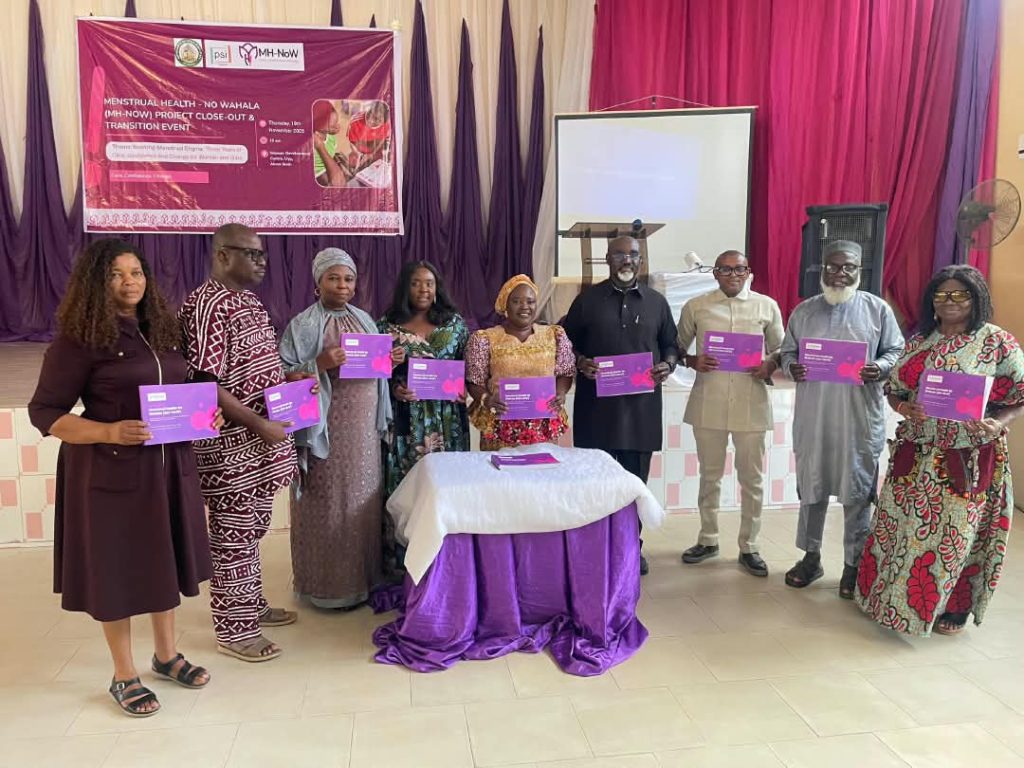
The Commissioner for Women Affairs and Social Welfare, Inibehe Silas Etukudoh, made the commitment during the close-out ceremony of the Menstrual Health No Wahala (MH-NOW) project in Uyo, a three-year intervention supported by Population Services International (PSI) Nigeria.
Etukudoh said the state government, in partnership with PSI Nigeria, had trained peer educators, promoted Water, Sanitation and Hygiene (WASH) programmes and encouraged open discussions on menstrual hygiene to break the stigma surrounding menstruation.
She said the partnership also led to the production and distribution of affordable menstrual products, helping to reduce period poverty in rural communities while improving menstrual dignity and confidence among girls and women.
According to her, the government also partnered with schools to strengthen menstrual hygiene education and promote sustainable use and disposal of sanitary products.
Etukudoh thanked PSI Nigeria for selecting Akwa Ibom as the only South-South state to benefit from the intervention, describing the partnership as a major step towards improving the health and wellbeing of women and girls.
Speaking at the event, PSI Nigeria Country Representative, Pharmacist Effiom Effiom, said the project was built on the understanding that menstrual health requires access to accurate information, affordable products and strong government support.
“Today is not an ending, it is a handover. I respectfully urge the state government to protect a dedicated menstrual health budget line, keep the Technical Working Group as the home of this agenda and deliver menstrual health through schools, primary healthcare and supportive supervision,” he said.
The State Programme Officer of PSI Nigeria, Godwin Udoh, said the project, which ran from August 2023 to November 2026, covered Ikot Ekpene, Nsit Ubium and Esit Eket Local Government Areas.
He said the intervention trained 2,501 school peer educators and reached 28,257 girls in schools, 11,774 women and girls in communities, as well as 610 men and boys through awareness campaigns.
Udoh added that 41 women producers and distributors supplied 6,093 menstrual health products and generated over ₦7.3 million in income, demonstrating that locally produced sanitary products could create sustainable economic opportunities.
He also disclosed that 60 menstrual health champions and 12 advocates were engaged under the project, while a Menstrual Health Technical Working Group was established and trained to drive future interventions.
According to him, the Ministries of Women Affairs and Social Welfare and Health have already made provisions for menstrual health programmes and services in the 2027 Appropriation Bill, a move expected to ensure continuity of the initiative after the project’s completion.
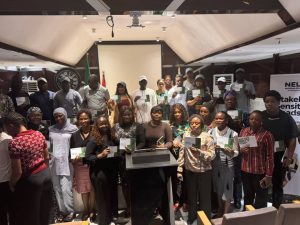
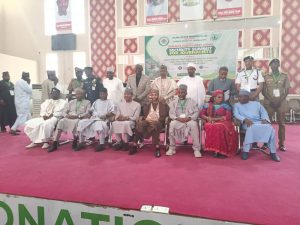
The ceremony attracted officials from the ministries of health, education and other government agencies, alongside development partners and school representatives, with awards presented to individuals and organisations that made outstanding contributions to the success of the project.