The West African Health Organisation (WAHO) has stepped up regional disease surveillance following the confirmation of an imported case of Ebola Virus Disease (EVD) in Nigeria, assuring that efforts are underway to prevent the virus from spreading across West Africa.
The regional health body said it is working closely with the Nigeria Centre for Disease Control and Prevention (NCDC), Nigerian health authorities and other ECOWAS member states to strengthen surveillance and emergency response after the case was confirmed in Abuja on October 20, 2026.
According to WAHO, the patient is a woman who recently arrived in Nigeria from Uganda. She reportedly developed symptoms on October 7 and sought treatment at a private health facility in Abuja on October 11 before laboratory tests confirmed Ebola on October 20.
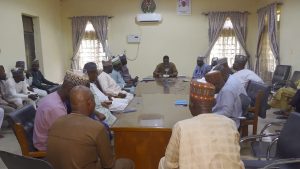
WAHO said it has remained in constant contact with the NCDC and convened a meeting on October 21 with Directors of National Public Health Institutes across ECOWAS member states to coordinate regional preparedness.
The organisation said early detection, rapid reporting of suspected cases, effective surveillance and strong coordination among health authorities remain critical to preventing outbreaks from spreading across borders.
WAHO also urged residents across the region to remain vigilant and follow basic preventive measures, including regular handwashing with soap and water or alcohol-based hand sanitisers.
It advised people to avoid direct contact with the blood or body fluids of anyone who is sick or has died from suspected Ebola, warning against touching contaminated clothing, bedding or personal belongings.
The organisation further cautioned against handling the bodies of people who die from suspected Ebola infections, stressing that only trained health teams should conduct safe and dignified burials.
WAHO also warned against handling or eating bushmeat, especially animals found sick or dead such as bats and primates, and advised that all meat should be properly cooked before consumption.
It urged anyone experiencing symptoms such as sudden fever, severe weakness, body pains, vomiting, diarrhoea or unexplained bleeding to immediately report to the nearest health facility for medical attention.
The regional health agency also advised against non-essential travel to affected areas and called on the public to rely only on verified information from official sources instead of spreading rumours or misinformation.
WAHO reaffirmed its commitment to supporting Ministries of Health across ECOWAS member states and working with development partners to strengthen regional health security.
The organisation said its ECOWAS Regional Centre for Surveillance and Disease Control (RCSDC), based in Abuja, will continue monitoring the situation and provide updates whenever necessary.