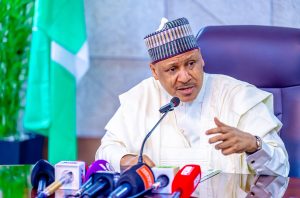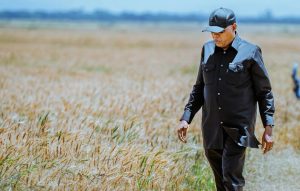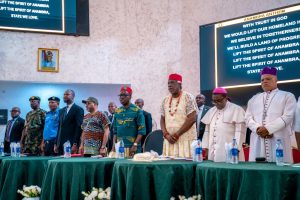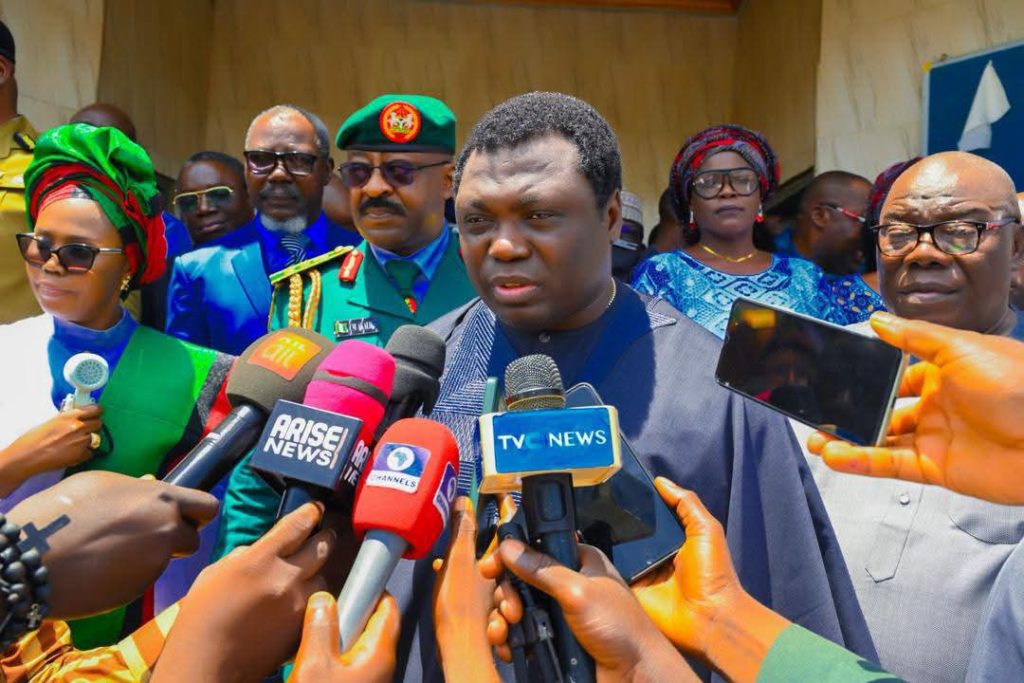
Taraba State Governor, Agbu Kefas has acknowledged that, despite the state’s 35 years of existence, its leaders cannot honestly claim to have resolved all the challenges confronting its people.
Speaking on Thursday during activities marking Taraba’s 35th anniversary, the governor said significant work remains in critical sectors, stressing that development is a continuous process.
Taraba State was created on August 27, 1991, by the military administration of former Head of State, General Ibrahim Badamasi Babangida (retd.).
Reflecting on the state’s journey since its creation, Kefas noted that successive administrations, including his own, have made efforts to improve the lives of residents but admitted that several pressing needs still require attention.
“There are roads requiring completion. There are communities still waiting for reliable water. There are places requiring electricity. Some schools and hospitals require further attention. Young people continue to seek employment. Families remain under economic pressure and security requires constant vigilance.”
The governor said governments are not immune to mistakes, adding that when shortcomings are identified, those responsible must act quickly to address them.
“Projects may encounter delays. Where that happens, we must identify the cause and push implementation.”
Kefas also recalled that his administration inherited numerous challenges after assuming office in 2023, but insisted that such realities should not be used as an excuse for poor performance.
Instead, he said the inherited problems should serve as motivation to build a stronger and more prosperous Taraba.
“We are building systems. We are building institutions. We are developing frameworks. And the next phase must be about accelerated and measurable execution.”
The governor further urged citizens, civil society organisations, the media and opposition parties to continue holding government accountable, provided their criticism is based on verifiable facts.
“Government should not fear scrutiny. The media must ask questions. Civil society must ask questions. Citizens must ask questions. The opposition has a constitutional responsibility to question government. But criticism is most useful when it is based on facts.”
He assured residents that his administration would remain open to public engagement and encouraged them to independently assess ongoing projects across the state.
“Government also has a responsibility to provide information. So I encourage our people to visit the projects. Speak to communities. Examine the evidence. Where we succeed, acknowledge it, where we fail, tell us. Where something can be improved, propose a better way. That is how democracy becomes useful to society.”