SDP presidential candidate, Prince Adewale Adebayo
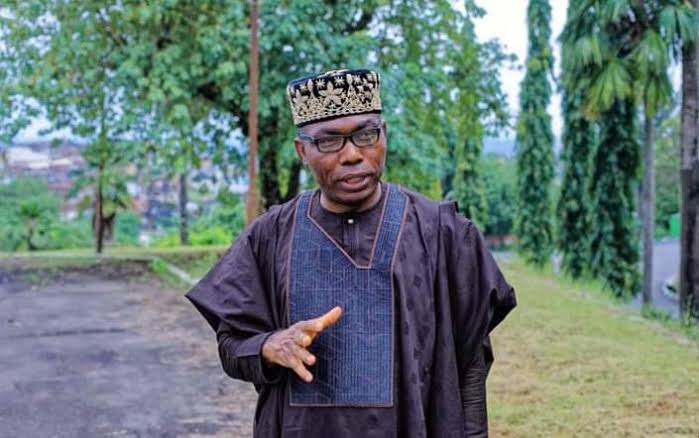
Social Democratic Party (SDP) Presidential candidate, Prince Adewole Adebayo, has unveiled an ambitious energy plan, promising to reduce the prices of petrol, cooking gas and aviation fuel (Jet A1) to below ₦200 per litre if he wins the 2027 presidential election.
Adebayo made the pledge during the News Agency of Nigeria (NAN) Personality Interview Series held in Abuja on Sunday, where he outlined his strategy for lowering fuel costs within the first year of his administration.
According to him, the target would be achieved by reviving Nigeria’s government-owned refineries while encouraging the growth of modular refineries through policies that support local refining.
He argued that Nigeria has no reason to depend heavily on imported refined petroleum products, insisting that the country’s refining assets can be restored to full operation.
Drawing comparisons with older refineries still functioning in the United States, Adebayo maintained that Nigeria’s refineries could also become productive again with the right commitment and investment.
He further proposed bringing back what he described as the country’s original domestic crude allocation model, under which about 450,000 barrels of crude oil would be reserved for local refining.
The SDP flag bearer explained that revenue generated from other petroleum products refined from the same crude—including diesel, kerosene, heavy fuel oil and naphtha—could be used to support lower prices for petrol, cooking gas and Jet A1.
> “The SDP will place cooking gas, petrol and Jet A1 under a pricing regime where the cost will not exceed ₦200 per litre,” Adebayo said.
He added that his administration would work with the National Assembly to establish a legal framework that would allow proceeds from other petroleum derivatives to offset the cost of maintaining the proposed fuel prices.
Adebayo also rejected claims that the removal of fuel subsidy is the only solution to Nigeria’s economic challenges, describing the argument as misleading.
He said his broader economic plan would also prioritise investments in rail transport and efficient public transportation systems to reduce the country’s dependence on private vehicles and lower transportation costs for Nigerians.