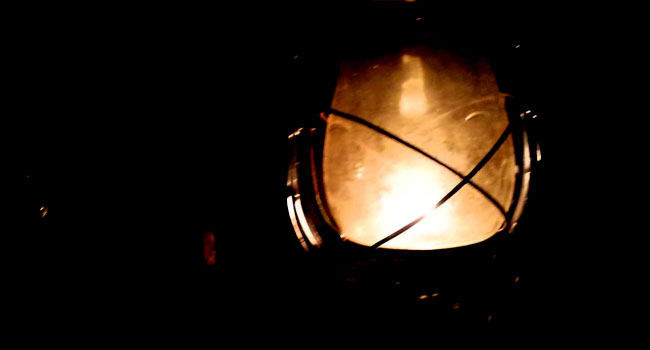
Electricity Distribution Companies (DisCos) have apologised to Nigerians over persistent power outages across the country, admitting that households and businesses have suffered through weeks of inadequate electricity supply.
The apology came amid growing frustration from consumers who have struggled with prolonged blackouts, rising temperatures and increasing costs of alternative power sources.
Managing Director and Chief Executive Officer of the Association of Nigerian Electricity Distributors (ANED), Sunday Oduntan, tendered the apology on Monday during an appearance on Channels Television’s Sunrise Daily, acknowledging the difficulties Nigerians have faced.
“I’d like to first of all start by apologising to Nigerians. Apology is needed; it is essential because Nigerians have been taken through this problem over the past few weeks,” Oduntan said.
He, however, warned against what he described as a return to the blame game among key players in the electricity sector, saying such disagreements would not solve the country’s power challenges.
Oduntan recalled that between 2016 and 2019, stakeholders in the sector frequently blamed one another for poor electricity supply, with DisCos blaming transmission operators, transmission operators blaming generation companies, and GenCos pointing to gas supply challenges.
“Our major problem is that we have started that very wrong route that we went through between 2016 and 2019. What is that? Blame game,” he said.
The ANED chief executive said the current situation requires cooperation among all stakeholders, including distribution companies, transmission operators, generation companies and gas suppliers.
His comments followed conflicting explanations from players in the power sector over the causes of the recent supply challenges.
While the Nigerian Independent System Operator (NISO) attributed part of the problem to issues including low water levels and inadequate gas supply, the Nigerian National Petroleum Company Limited (NNPC) later stated that gas was available for power generation.
Oduntan questioned the clarity of the explanations, saying the sector needed more transparency on whether outstanding payments were affecting gas supply to generating companies.
“From the NNPC statement, it is very clear that they came to tell us half-truths. What I would have expected NNPC to do is to go ahead and talk to us whether there are payment issues,” he said.
He urged the Minister of Power to intervene by bringing all relevant stakeholders together to determine the actual causes of the electricity shortages and find lasting solutions.
The outages have affected homes and businesses, with many Nigerians complaining that they have been unable to rely on public electricity supply despite paying electricity bills.
The situation has also raised fresh concerns over the Band A, B and C tariff system, which links electricity charges to the number of hours customers are expected to receive power.
Customers on Band A, who are expected to enjoy a minimum of 20 hours of electricity daily, have continued to express dissatisfaction over inadequate supply.
The crisis has been worsened by intense heat, leaving many residents dependent on expensive alternatives such as petrol and diesel generators.
Public figures, including veteran actress Kate Henshaw and content creator Cute Abiola, have also expressed concerns over the impact of the power situation on Nigerians.
With fuel prices remaining high and solar energy solutions still unaffordable for many households and small businesses, Nigerians continue to demand urgent action from authorities and electricity operators.