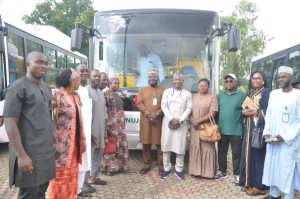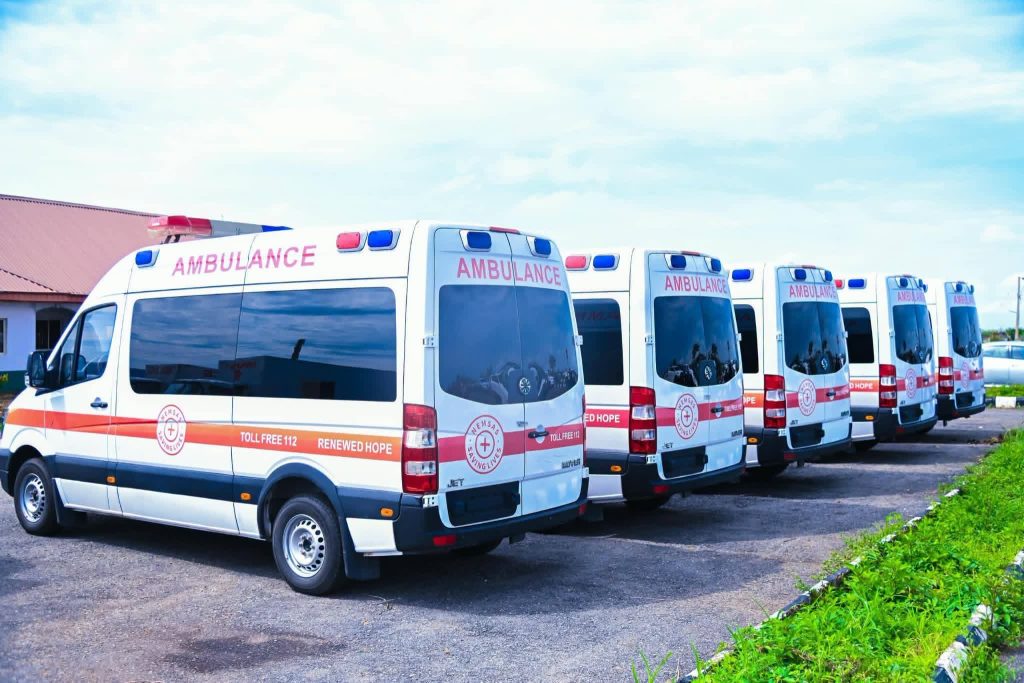
Federal Government has commenced the nationwide distribution of Advanced Trauma Life Support (ATLS) ambulances and tricycle ambulances to strengthen emergency medical response, improve patient referrals and extend timely care to rural and hard-to-reach communities.
The Permanent Secretary, Federal Ministry of Health and Social Welfare, Ms. Daju Kachollom S., mni, disclosed this on Monday at the flag-off ceremony held at the National Trauma Centre, Riyom, Plateau State.
She said the intervention would address transportation and last-mile access challenges, particularly in communities where difficult terrain and distance can delay access to lifesaving care. “Distance should not determine whether a life is saved,” Kachollom said, noting that timely emergency transportation is critical in maternal and newborn emergencies, childhood illnesses, road crashes and other trauma cases.
She explained that the intervention forms part of the Federal Government’s effort to establish a coordinated emergency medical service nationwide, with the National Emergency Medical Service and Ambulance System (NEMSAS) providing the framework for linking emergency response, transportation and referral services.
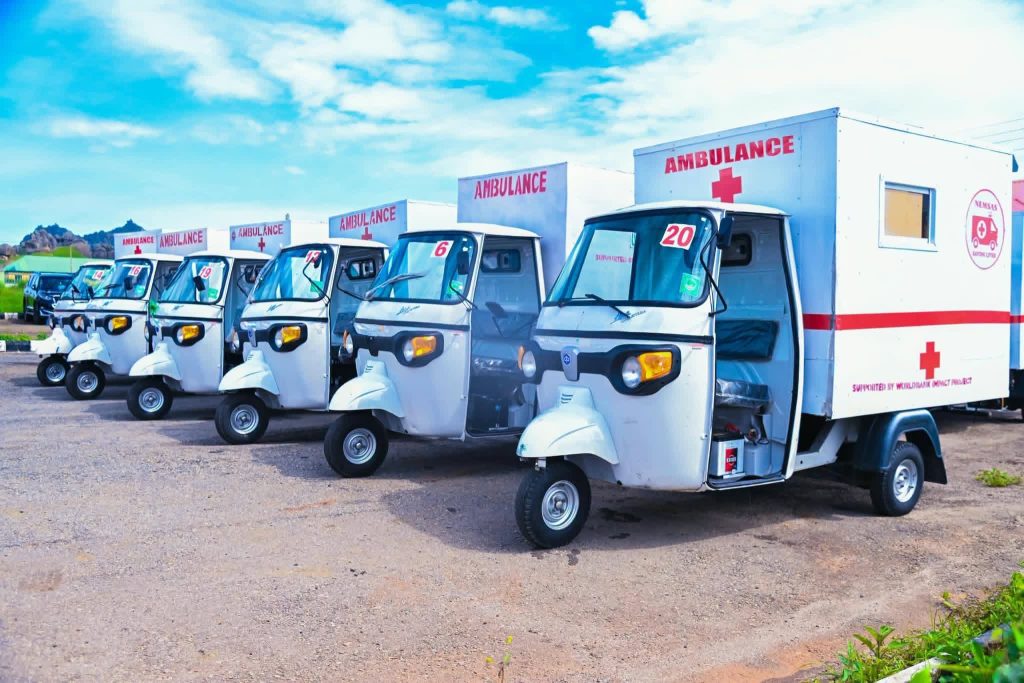
In Plateau State, the intervention will complement existing systems, including the State Ambulance System, the Jos University Teaching Hospital (JUTH) emergency-care pathway and the Rural Emergency Service and Maternal Transport (RESMAT) initiative, supported by the SAVEMAMA Digital RESMAT platform.
Daju also announced that Riyom General Hospital had been approved as an outpost of JUTH, following collaboration with the Plateau State Government. She urged beneficiaries to ensure proper deployment, maintenance, staffing and monitoring of the emergency assets. “The Federal Government has made its contribution, and we expect the State Government to complement this investment through appropriate budgetary commitments and contributory funding to strengthen and sustain emergency medical services across Plateau State,” she said.
She stressed that the success of the programme would be measured not by the number of vehicles distributed, but by lives saved and preventable deaths and disabilities reduced.
As part of her visit to Plateau State, the Permanent Secretary also visited the Snakebite Treatment Centre, Zamko, a rural outpost of JUTH, where she announced Federal Government support for the management of snakebite, a neglected tropical disease that continues to affect rural communities, particularly farmers.
She announced the donation of antivenoms to the Centre and said efforts were underway to incorporate snakebite management into NEMSAS and the social health insurance scheme, with the aim of improving access to treatment and reducing the financial burden on affected families.
Daju said strengthening emergency and specialised services in underserved communities reflects the Ministry’s mandate to save lives, reduce physical and financial pain, and produce health for all, in line with President Bola Ahmed Tinubu’s Renewed Hope Agenda and the Nigeria Health Sector Renewal Investment Initiative (NHSRII).
The Plateau State Governor, Caleb Manasseh Mutfwang, represented by the Deputy Governor, Josephine Piyo, commended President Tinubu and the Federal Government for the intervention, assuring that the ambulances would be properly deployed, responsibly utilised and maintained.
The Chief Medical Director, JUTH, reported that approximately 1,115 patients had been transported in Jos East and more than 900 in Riyom under the emergency transport initiative, describing the intervention as significant to efforts to reduce maternal mortality and strengthen emergency care.