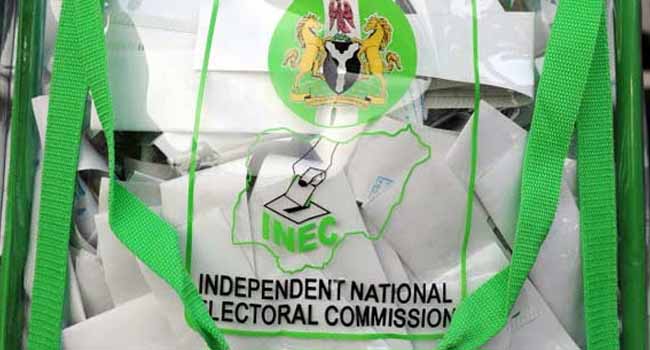
As preparations gather momentum ahead of the 2027 General Election, the Independent National Electoral Commission (INEC) has described the bye-elections across Gombe, Kano, Bauchi, and Delta states as crucial operational benchmarks for testing the nation’s electoral infrastructure.
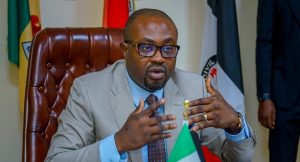
Speaking on Saturday while personally presiding over operations at the Commission’s National Situation Room at its Headquarters in Abuja, the INEC Chairman, Prof. Joash Amupitan, SAN, emphasised that no electoral contest should be dismissed as trivial or routine.
The Commission conducted four key legislative bye-elections in the Gombe/Kwami/Funakaye Federal Constituency in Gombe State, Dawakin Kudu State Constituency in Kano State, Sakwa and Disina State Constituencies in Bauchi State and Udu State Constituency in Delta State.
Amupitan, who asserted that every off-cycle poll served as an important dress rehearsal for nationwide elections, said, “These four bye-elections provide indispensable operational lessons for the Commission as we systematically chart our roadmap toward the 2027 General Election.”
“We must resist the temptation to view any exercise as merely an ordinary bye-election. Every election is a critical component of our broader preparations for the 2027 General Election, allowing us to continuously audit our logistics framework, stress-test our technological deployment, and evaluate administrative field readiness.”
In statement by CPS/Media Adviser to the INEC Chairman, Adedayo Oketola, the INEC Chairman, accompanied by National Commissioners and senior management officials, monitored the bye-elections as operational reports arrived from the field.
Amupitan reassured Nigerians of the Commission’s resolve to uphold electoral integrity, noting that operational bottlenecks encountered before polling were swiftly identified and resolved.
“Our primary mandate in the Situation Room is monitoring and proactive crisis resolution,” the Chairman added. “Whatever administrative or field challenges arose in before the day of the elections, the Commission was able to nip them in the bud effectively. We remain committed to refining our processes so that every subsequent exercise reflects higher standards of efficiency and public confidence.”
He thanked everyone present in the situation room, especially the technical team, for ensuring the Commission was able to monitor the multi-state exercise seamlessly and assess the field performance without any hitch.