Universal Basic Education Commission (UBEC) has urged the 36 states and the Federal Capital Territory (FCT) to prioritise Early Childhood Care, Development and Education (ECCDE) in their education plans, warning that states that fail to include ECCDE activities in their action plans will not receive funding for them.
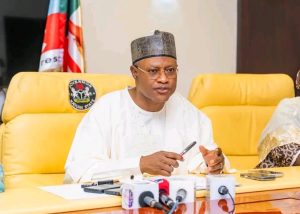
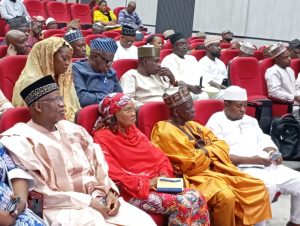
The Executive Secretary of UBEC, Dr. Aisha Garba, gave the charge on Monday in Abuja at a three-day capacity-building workshop for state actors on the utilisation of the ECCDE Minimum Standards, Implementation Guidelines and UNICEF parental and community engagement documents.
Represented by the Deputy Executive Secretary of the Commission, Mr. Rasaq Orajuwon Akinyemi, Garba said the new ECCDE documents were designed to move early childhood education from policy to effective implementation at state, local government and school levels.
She said only 35.6 per cent of Nigerian children aged 36 to 59 months currently attend any form of early childhood education, leaving about 10 million young children outside ECCDE.
According to her, analysis of the 2021 Multiple Indicator Cluster Survey also showed that about 46 per cent of children aged 24 to 59 months were developmentally off track.
Garba said the situation was particularly concerning because early stimulation at home remained weakest in areas where children were most vulnerable.
“Only about half” of children in the Northeast and Northwest, she noted, receive early stimulation at home, compared with about two-thirds nationally.
The UBEC boss linked the challenges in early childhood development to wider learning outcomes, noting that about 70 per cent of Nigerian 10-year-olds could not read and understand a simple text.
She said the country could not afford to treat ECCDE as a stand-alone education intervention, stressing the need for coordinated action involving health, nutrition, water and sanitation, women affairs, social welfare and local government education authorities.
Garba highlighted three major changes contained in the new ECCDE documents.
She said the Minimum Standards now distinguish between “essential standards” and “progressive standards”.
On her part, the Acting Director, Department of Special Programmes and Early Childhood, Dr. Chijioke Onwuzurike, has called on states to strengthen coordination and investment in Early Childhood Care, Development and Education (ECCDE) to ensure that no child is left behind.
Dr. Onwuzurike noted that Nigeria’s early childhood development interventions are spread across several sectors, including education, health, nutrition, agriculture and social protection, but said inadequate coordination often results in duplication, weak referrals and uneven quality of services.
He urged Directors of Special Programmes, ECCDE Desk Officers and other stakeholders from the 36 states and the Federal Capital Territory to translate the national guidelines into practical State Action Plans with clear budgets, timelines and assigned responsibilities.
According to her, the objective is to establish integrated pathways from early stimulation and nurturing care in the first years of life through quality ECCDE and onward education, with particular attention to vulnerable children, children with disabilities and those in hard-to-reach communities.