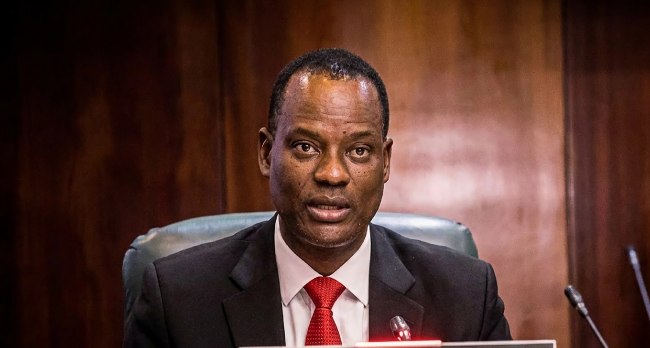
Minister of Finance and Coordinating Minister of the Economy, Mr. Taiwo Oyedele
Nigeria has received another vote of confidence from the international financial community as Fitch Ratings revised the country’s Long-Term Issuer Default Rating Outlook from Stable to Positive while affirming its ‘B’ rating.
The Federal Government said the decision reflects growing confidence in Nigeria’s economic reforms and signals that the country’s credit rating could be upgraded if the current progress is sustained.
In a statement issued on Saturday by the Ministry of Finance, Fitch said the improved outlook was driven by greater flexibility in the foreign exchange market, slowing inflation and stronger foreign exchange reserves.
According to the agency, Nigeria’s gross external reserves rose to 54.9 billion dollars as of September 25, 2026, from 32 billion dollars in April 2024, helped by stronger export earnings, increased remittances, portfolio investments and improved transparency in foreign exchange transactions.
Fitch also projected a 6.4 per cent current account surplus for Nigeria in 2026, saying the country’s stronger reserve position has improved its ability to withstand external economic shocks.
The ratings agency forecast Nigeria’s economy to grow by 4.3 per cent in 2026, up from 4 per cent in 2025, with growth expected to remain above four per cent through 2028, driven mainly by non-oil sectors.
It also noted that Nigeria has consistently met its OPEC crude oil production target of 1.5 million barrels per day since May 2026, while increased domestic refining is reducing fuel imports and easing pressure on foreign exchange demand.
Fitch expects average inflation to fall to 15.4 per cent in 2026, less than half the level recorded in 2024, while planned tax reforms are expected to boost non-oil revenue and strengthen public finances.
Reacting to the development, the Federal Government described the Positive Outlook as further recognition of the economic reforms introduced under President Bola Ahmed Tinubu.
The Ministry said, “Fitch’s Positive Outlook further validates the difficult but necessary reforms implemented under the leadership of President Bola Ahmed Tinubu, GCFR, from removing a costly and inequitable fuel subsidy to unifying the exchange rate and the landmark tax reforms. Our medium-term ambition is to place Nigeria firmly on the path to investment grade. We are committed to this work, not for the rating itself, but because these reforms will lower Nigeria’s cost of capital, crowd in private investment and create decent jobs at scale.”
The government, however, acknowledged Fitch’s concerns that inflation remains higher than that of many peer countries, government revenue is still relatively low and interest payments continue to consume a large share of public revenue.
It said ongoing reforms are aimed at addressing those challenges through improved tax collection, prudent spending, transparent debt management, economic diversification and support for businesses and job creation.