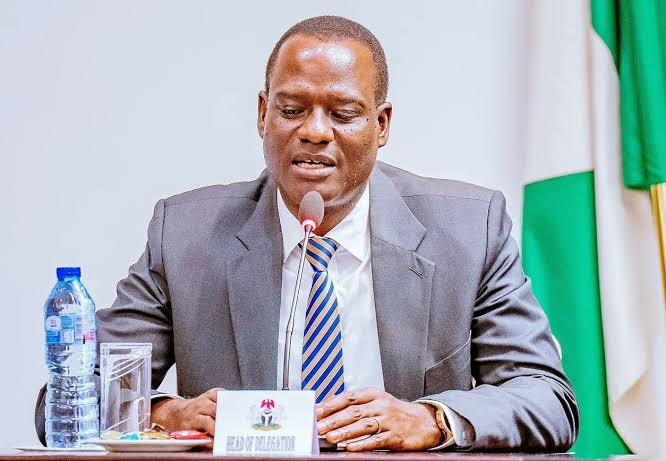
Chairman of the Presidential Fiscal Policy and Tax Reforms Committee, Taiwo Oyedele
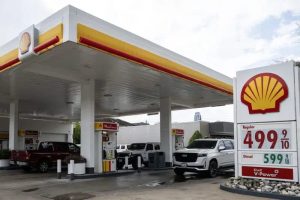
Nigeria’s plan to introduce fuel taxes after the economy stabilises risks opening another front in the cost-of-living crisis, with households and businesses potentially facing higher transportation, food and operating costs even as the government seeks additional revenue for roads and fuel reserves.
The plan raises a critical question: can Nigeria generate more revenue without worsening the financial pressures on households and businesses?
Finance Minister and Coordinating Minister of the Economy, Taiwo Oyedele while speaking in an interview with Arise News on Monday September 19 on the sidelines of the 2026 IMF-World Bank Annual Meetings in Bangkok revealed government plans to introduce ‘fuel tax’ but gave assurance that the government would defer the proposed tax until economic conditions improve sufficiently to accommodate the additional burden.
Revenue from the measure is expected to support road infrastructure and fuel reserves.
While the objectives are economically defensible, the timing and implementation of the proposed tax will determine whether it strengthens the economy or imposes another burden on Nigerians already struggling with the cost of living.
The removal of petrol subsidies in 2023 triggered increases in transportation and operating costs, with knock-on effects on food distribution, electricity generation and the prices of essential goods. An additional fuel levy could compound these pressures if introduced before household incomes recover meaningfully.
The impact would extend beyond motorists. Commercial transport operators could raise fares, traders could face higher distribution costs, and manufacturers and small businesses relying on petrol-powered generators could experience increased operating expenses.
Businesses may pass some of these costs to consumers, potentially renewing inflationary pressures and weakening purchasing power.
For low-income households, the consequences could be particularly severe. With much of their earnings already committed to food, transportation and other necessities, even a modest increase in costs could force difficult spending choices.
Oyedele’s assurance that implementation will await improved economic conditions is therefore significant. However, the government must explain what economic stability means in practical terms. Improvements in foreign reserves, exchange-rate stability or gross domestic product growth do not necessarily translate into better living standards.
Before introducing the tax, the government should demonstrate sustained improvements in real wages, employment, food affordability and household purchasing power. Clear benchmarks would also help prevent economic stability from becoming an open-ended justification for implementation.
The government argues that the revenue could finance roads and fuel reserves, addressing infrastructure deficiencies that increase transportation costs and expose businesses to supply-chain disruptions.
If efficiently managed, such investments could reduce logistics expenses, improve market access and strengthen long-term productivity. However, these benefits are not automatic. Nigerians could bear the immediate cost of the tax without receiving corresponding improvements in infrastructure or public services.
Transparent accounting, regular public reporting and demonstrable project delivery would therefore be essential. The government should show how much revenue is collected, where it goes and what economic benefits it generates.
The possibility of introducing the tax without increasing pump prices would also depend on the levy’s structure and prevailing petroleum-market conditions. Even if retail prices remain unchanged, the government must establish that the wider economic benefits justify the additional charge.
For businesses, predictability will be equally important. Clarity about the tax rate, implementation date and conditions for introduction would help companies plan investment, employment and operating costs.
Ultimately, the success of the proposed fuel tax will depend on whether the government delivers measurable benefits that justify the additional burden. Better roads, more efficient logistics and stronger energy security could support economic growth, but introducing the levy while incomes remain weak could undermine consumer spending and business confidence.
The government must therefore measure economic recovery not only by national economic indicators but also by whether Nigerians can afford food, transportation, housing and other essentials.
Until improvements in household purchasing power become measurable and sustained, the promise of future infrastructure benefits may offer little comfort to citizens facing today’s economic realities.