President Bola Tinubu
Education remains one of Nigeria’s biggest hopes for national development. It is also one of its greatest challenges. Millions of children are still out of school. Many classrooms lack teachers and learning materials, while universities continue to struggle with funding and infrastructure.
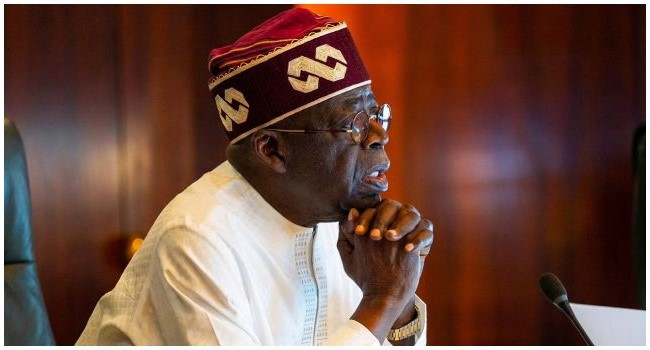
Since President Bola Ahmed Tinubu assumed office in May 2023, his administration has launched a number of reforms aimed at changing the direction of the education sector. The government has introduced student loans, expanded technical and vocational education, reviewed the national curriculum, increased funding for schools and tertiary institutions, and invested in teacher development.
These reforms deserve attention because they represent some of the biggest policy changes in the sector in recent years. Yet, two questions remain: Have these reforms begun to improve learning? And are Nigerian students better off today than they were before?
The answers are not entirely straightforward.
Student loans open new opportunities
Perhaps the most significant reform introduced by the Tinubu administration is the Nigeria Education Loan Fund (NELFUND).
For years, many young Nigerians abandoned their dreams of higher education because they could not afford tuition and other school expenses. The Student Loans Act of 2024 created a new framework to address that challenge.
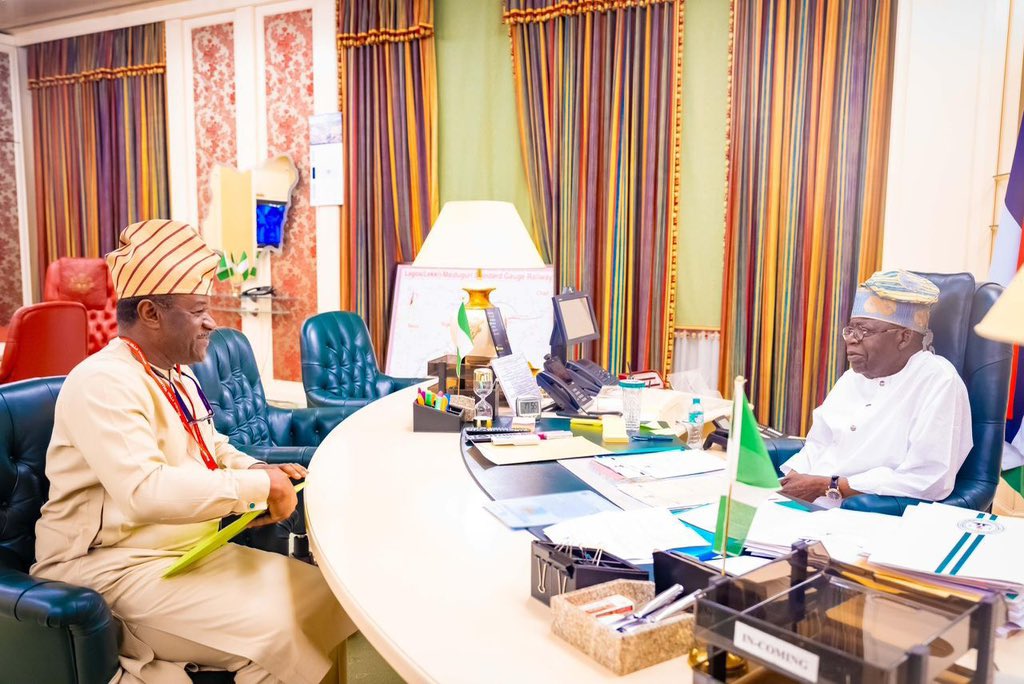
According to official figures, more than 1.1 million students have benefited from the scheme, with over ₦191 billion disbursed through more than 320 institutions.
This is a major step towards improving access to tertiary education. However, student loans alone cannot solve the wider challenges facing the education sector. They do not fix poor learning in primary schools, inadequate classrooms or the growing problem of graduate unemployment.
A stronger push for skills
Another major shift under the current administration is the renewed focus on Technical and Vocational Education and Training (TVET).
Through the Nigeria Education Sector Renewal Initiative (NESRI), the government has made vocational education, STEM education, digital learning, girl-child education and reducing the number of out-of-school children key national priorities.
This represents an important change in thinking. For many years, Nigeria placed greater emphasis on certificates than practical skills. The new direction seeks to prepare young people not only for examinations but also for employment, entrepreneurship and self-reliance.
Government programmes supporting TVET through training and stipends have also received positive attention.
Curriculum reform with practical focus
The Federal Ministry of Education also reviewed the national curriculum in 2025.
The reforms seek to reduce the number of subjects, strengthen practical learning and place greater emphasis on science, technology, trades, citizenship education and Nigerian history.
The idea is widely welcomed because students often learn better when they master fewer subjects instead of being overloaded with too many.
However, changing a curriculum on paper is only the beginning. Success will depend on well-trained teachers, updated textbooks, functional laboratories, proper assessment methods and adequate funding.
Better teachers, better schools
Recognising that no education system can rise above the quality of its teachers, the administration, in partnership with UBEC, launched nationwide teacher training and school improvement programmes.
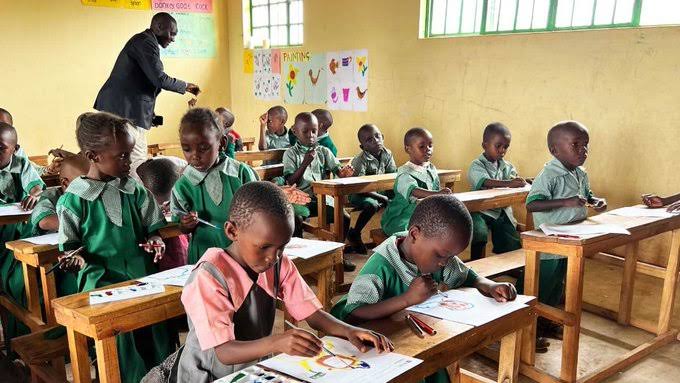
More than 223,000 teachers and education managers were targeted for professional development, while over ₦2 billion was allocated to more than 1,100 schools for improvement projects.
These investments are important because real education reform happens inside classrooms. Good policies cannot replace qualified teachers, conducive learning environments and adequate teaching materials.
More money for education
Education funding has also increased under the Tinubu administration.
Government figures show that the education budget rose from about ₦1.54 trillion in 2023 to approximately ₦3.52 trillion in 2025. TETFund allocations also increased, while universities, polytechnics and colleges of education received funding for infrastructure projects.
This demonstrates stronger government commitment to education.
Still, experts caution that higher budgets do not automatically translate into better education. Inflation, population growth and the huge infrastructure deficit continue to reduce the real impact of increased spending.
The challenges remain enormous
Despite these reforms, Nigeria’s education crisis remains far from over.
A World Bank-supported assessment estimates that more than 75 per cent of Nigerian children cannot read and understand a simple text by the age of 10. Shortages of qualified teachers, inadequate textbooks and overcrowded classrooms remain serious concerns.
The challenge of out-of-school children also persists. UBEC estimated that about 17 million Nigerian children were out of school in early 2025.
These figures highlight the difference between policy reforms and actual educational transformation.
The government has introduced new programmes, but the real test is whether Nigerian children are learning better and whether more children are staying in school and completing quality education.
Hope for the future
There are reasons for cautious optimism.
In 2025, the World Bank approved an additional $500 million for the HOPE-EDU programme, which focuses on improving foundational literacy and numeracy, strengthening basic education and supporting education reforms.
The programme is expected to benefit about 29 million children, train around 500,000 teachers and support more than 65,000 public primary schools across Nigeria.
If effectively implemented alongside the Federal Government’s reforms, such investments could significantly improve learning outcomes in the coming years.
So, how should Nigerians judge these reforms?
The Tinubu administration deserves credit for moving beyond promises and introducing concrete education policies.
NELFUND has expanded access to tertiary education. TVET is receiving greater attention. The curriculum is being modernised. Teacher development programmes have expanded, while funding for education has increased.
These are important achievements that cannot be ignored.
However, Nigeria’s biggest education challenges remain unresolved. Millions of children are still out of school. Learning outcomes remain poor. Many schools lack basic facilities. Teacher shortages persist, while funding challenges continue.
At 66 years of independence, Nigerians should judge education reforms not simply by the number of policies announced or the size of government budgets. The true measure of success is whether more children are in school, whether they are learning better, whether graduates possess employable skills and whether every child, regardless of background, has access to quality education.
The Tinubu administration has undoubtedly laid important foundations for reform. Whether those reforms become a lasting transformation will depend on consistent implementation, sustained investment and measurable improvements in learning outcomes.
As Nigeria celebrates another Independence Day, the country’s education story is still being written. The policies have been introduced. The real challenge now is turning those policies into lasting results that every Nigerian child can see inside the classroom.