The spokesman for former Vice President Atiku Abubakar, Paul Ibe, has called on Vice President Kashim Shettima to address questions surrounding the 2012 arrest of convicted Boko Haram member Kabiru Sokoto at the Borno State Governor’s Lodge in Abuja.
In a post on his X account on Thursday, Ibe questioned how the terror suspect gained access to the official residence while Shettima was serving as governor of Borno State.
“How did a notorious Boko Haram terrorist gain access to the official residence of a sitting governor?” Ibe asked.
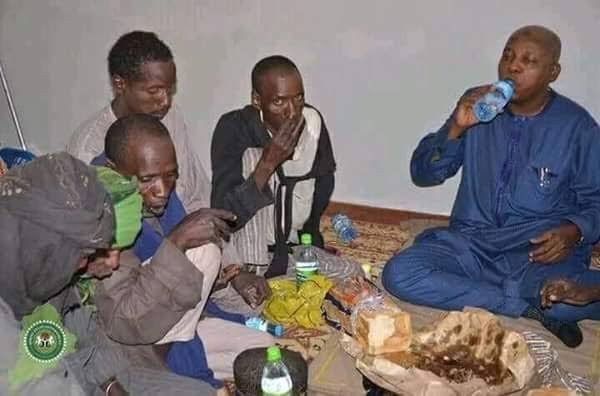
He recalled that Kabiru Sokoto, who was later convicted over the Christmas Day 2011 bombing of St. Theresa’s Catholic Church in Madalla, was arrested by security operatives at the Borno State Governor’s Lodge in Asokoro, Abuja, in January 2012. The Borno State Government denied any link to the suspect and described the incident as a security breach.
According to Ibe, the Shettima administration denied knowing the suspect at the time and blamed his presence at the lodge on a serious security breach.
“But an official denial does not eliminate the legitimate questions arising from such an extraordinary incident,” he said.
Ibe further asked: “Who authorised access to the lodge? Who accommodated the visitors? What did subsequent investigations establish? Were any officials sanctioned? And why has the full account of this troubling episode not been placed before Nigerians?”
He insisted that the issues raised were matters of public accountability and not motivated by religion or ethnicity.
“These are questions of public accountability, not religious or ethnic prejudice,” he stated.
The Atiku spokesman also referenced the security challenges during Shettima’s tenure as Borno governor, including the 2014 abduction of the Chibok schoolgirls, and argued that Nigerians deserve to know what lessons were learned from that period.
He added: “Nigerians deserve the full records of the Kabiru Sokoto investigation, an explanation of the security failures at the Borno Governor’s Lodge, and a transparent accounting of the decisions that shaped the fight against Boko Haram.”
Ibe maintained that public office should not shield leaders from scrutiny, saying: “Mr Vice President, public office does not confer immunity from difficult questions. The victims of Boko Haram deserve justice. Nigerians deserve answers. And those who governed at the height of the insurgency, including you, must be prepared to account for their stewardship, of how your actions and inactions may have enabled terrorism in our country.”
He concluded by stating: “The blood of innocent Nigerians must never be reduced to a footnote in the political careers of their leaders.”