Civil society organisations (CSOs) and the media in Borno State have been urged to strengthen monitoring and advocacy around government budgets for child rights and protection.
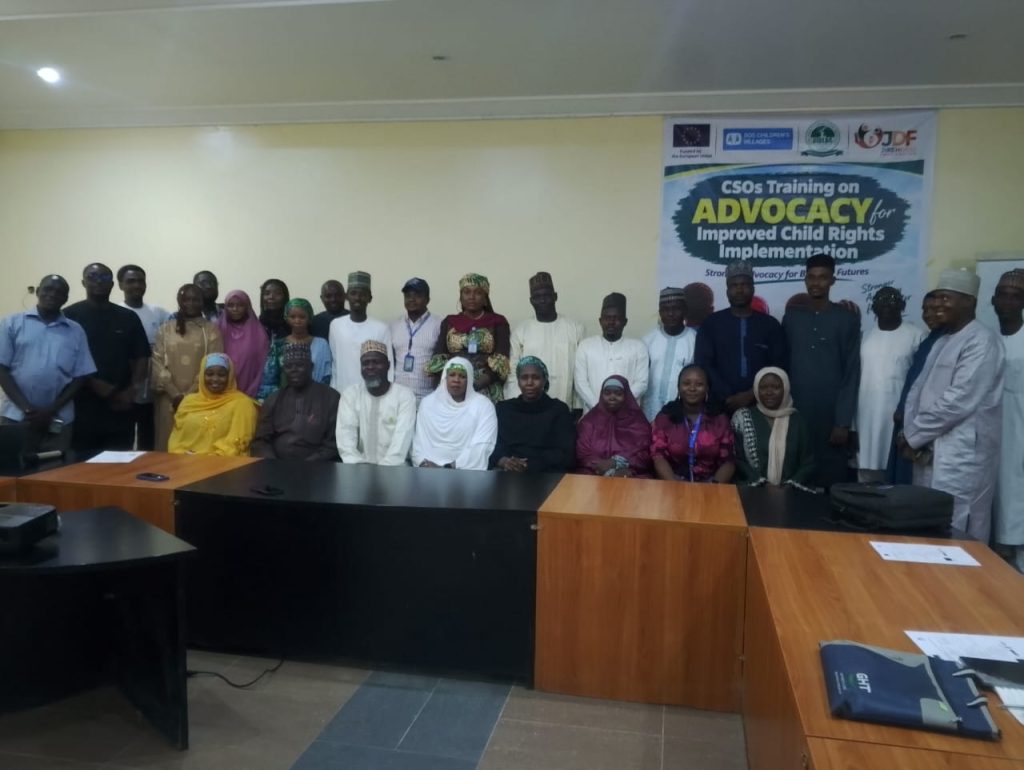
The call was made at a one-day training workshop organised by the Civil Society Legislative Advocacy Centre (CISLAC), in collaboration with SOS Children’s Villages and Jireh Doo Foundation, in Maiduguri.
Participants at the workshop said CSOs and media organisations should monitor the preparation, approval and implementation of annual budgets relating to child rights and protection, while providing the necessary checks and balances.
They also stressed the need to track budget proposals for child rights and report implementation gaps in order to address the persistent problem of poor budget performance.
The workshop, held on Wednesday at the Mandara Conference Hall of Barwee Hotel and Luxury, Maiduguri, further called for greater attention to budget planning, analysis, advocacy, legislative approval and implementation.
Participants said relevant stakeholders, including legislative staff and professionals involved in the budget process, should be engaged from the proposal stage through legislative consideration, approval, implementation and public hearings.
They observed that government and the legislature must do more to ensure that approved provisions for child rights are implemented, rather than concentrating mainly on workshops, seminars and capacity-building programmes.
The participants also urged the media to intensify advocacy on the implementation of child rights and protection laws by ensuring that child-related allocations in government budgets are clearly highlighted, prioritised and utilised.
They said government officials should be held accountable for the implementation of such allocations through sustained media reporting and legislative advocacy.
The Executive Director of CISLAC, Awwal Musa Rafsanjani, in his opening remarks, urged participants to mobilise and advocate for improved engagement with government and legislative institutions on the implementation of child rights and protection laws.
Rafsanjani, who was represented by Mr Solomon Adoga, tasked CSOs and the media with living up to expectations by advancing the cause of improved child rights implementation.
He also urged them to monitor budget preparation, approval and implementation through effective checks and balances to ensure that government delivers on its obligations to children.
The resource person at the training noted that while several states had commenced the implementation of child rights laws, some states were yet to do so, stressing the need for continued improvement.
He called for stronger collaboration among stakeholders to advance advocacy for the protection of children, describing children as the future leaders of the country.
The resource person also highlighted risks, mitigation measures and sustainability issues in the implementation process, including funding, partnerships, leveraging existing programmes and conducting research at the local government level.
According to him, CSOs can organise advocacy campaigns at different levels, including quarterly engagements, while using budget tracking, watchdog activities, legal interventions and administrative processes to strengthen accountability.
Mr Adoga also emphasised the need for child-related cases to be properly adjudicated and for the law to take its course, while highlighting the challenges, roles, responsibilities, rights, purposes, objectives, guidance and principles surrounding the implementation of child rights and protection laws.
He said CSOs should prioritise the monitoring, evaluation and scrutiny of budgets for child rights and protection from the proposal stage through approval, implementation and public hearings, including litigation where necessary.
Among the recommendations from the training were continuous stakeholder training, community sensitisation, improved inter-agency coordination, increased budgetary support, strengthening of family-based care, effective prosecution, and better data collection and monitoring.
The participants identified low public awareness, poverty, insurgency, child displacement, street begging, weak reporting systems and limited resources as some of the major challenges affecting the implementation of child rights and protection laws.
On government responsibilities, the training stressed that the state must investigate reports involving children, protect vulnerable children, conduct necessary enquiries, coordinate relevant agencies and intervene promptly when required.
Mr Adoga said the law prohibits practices and actions that expose children to abuse, including skin marking, torture, violence, abuse and neglect.
He also outlined the responsibilities of parents to provide care, guidance, education, moral upbringing, socialisation and rehabilitation for children.
He called for thorough and consistent media reporting on budget reviews and implementation, urging journalists to scrutinise how funds allocated for child rights are being utilised.
He particularly urged CSOs to monitor the activities of commissioners of finance and other relevant government officials and raise concerns through the media where budget implementation falls short.
Mr Adoga further enjoined CSOs to carry out checks and balances throughout the budget process and expose gaps, delays or reasons for poor implementation in order to promote accountability and better protection of children’s rights.