FIFA has accepted the mass resignations that swept through the Nigeria Football Federation (NFF) and agreed to remain involved as Nigeria begins work on a broader reform of its football administration.
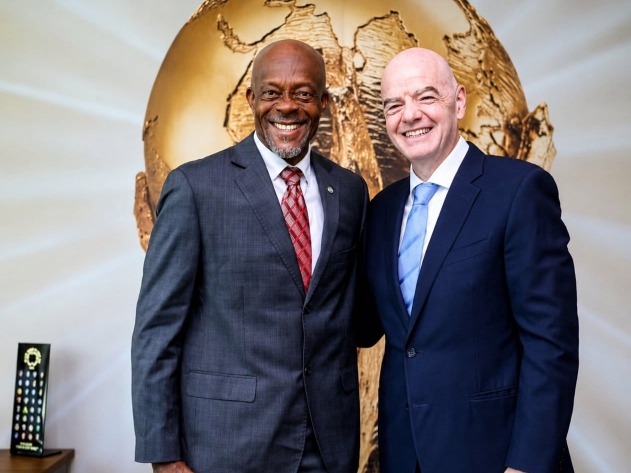
The development followed Tuesday’s meeting between Nigerian football officials and FIFA President Gianni Infantino at FIFA House in Zurich, Switzerland.
The Nigerian delegation was led by National Sports Commission Chairman Shehu Dikko and included NSC Director General Bukola Olopade, NFF Acting General Secretary Dr Emmanuel Ikpeme, NFF Director of Legal Services Okey Obi and former NFF president Amaju Pinnick.
The meeting comes at a crucial point for Nigerian football. The leadership changes at the NFF have now opened the door to a wider conversation about how the game is administered in the country.
FIFA, CAF, the Federal Government and the NFF administration are expected to work on a reform roadmap covering the short, medium and long term.
The plan is expected to address the structure and governance of the NFF, while also looking at player development, youth football and the broader administration of the sport.
The current crisis began last week when NFF president Ibrahim Gusau and General Secretary Mohammed Sanusi resigned, alongside members of the federation’s Executive Committee.
The resignations came after a difficult period for Nigerian football, with the Super Eagles missing the 2026 FIFA World Cup and the Super Falcons failing to secure automatic qualification for the 2027 Women’s World Cup.
President Bola Tinubu subsequently directed that Nigerian football undergo a comprehensive reform, increasing pressure for changes within the country’s football administration.
For now, Ikpeme is overseeing the NFF Secretariat as Acting General Secretary, while the electoral process that had been scheduled for September has been suspended.
That leaves the country facing a bigger question than simply who will occupy the NFF offices next.
The real test will be whether the reform process produces an administration that can address the long-standing problems around Nigerian football and give the national teams, domestic competitions and grassroots development the structure they need.
For Nigerian football, the Zurich meeting may have opened a new chapter. What happens after the meeting will determine whether it becomes a genuine reset or simply another change at the top.