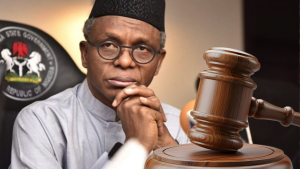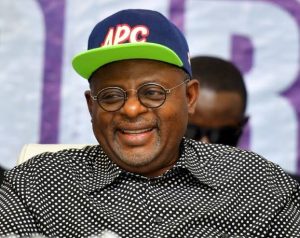
INEC Chairman, Prof Joash Amupitan
Independent National Electoral Commission (INEC), under the leadership of its Chairman, Prof. Joash Ojo Amupitan, SAN, has commenced intensified preparations for the 2027 General Election, with a firm commitment to ensuring that the elections are credible, inclusive, participatory and reflective of the will of the Nigerian people.
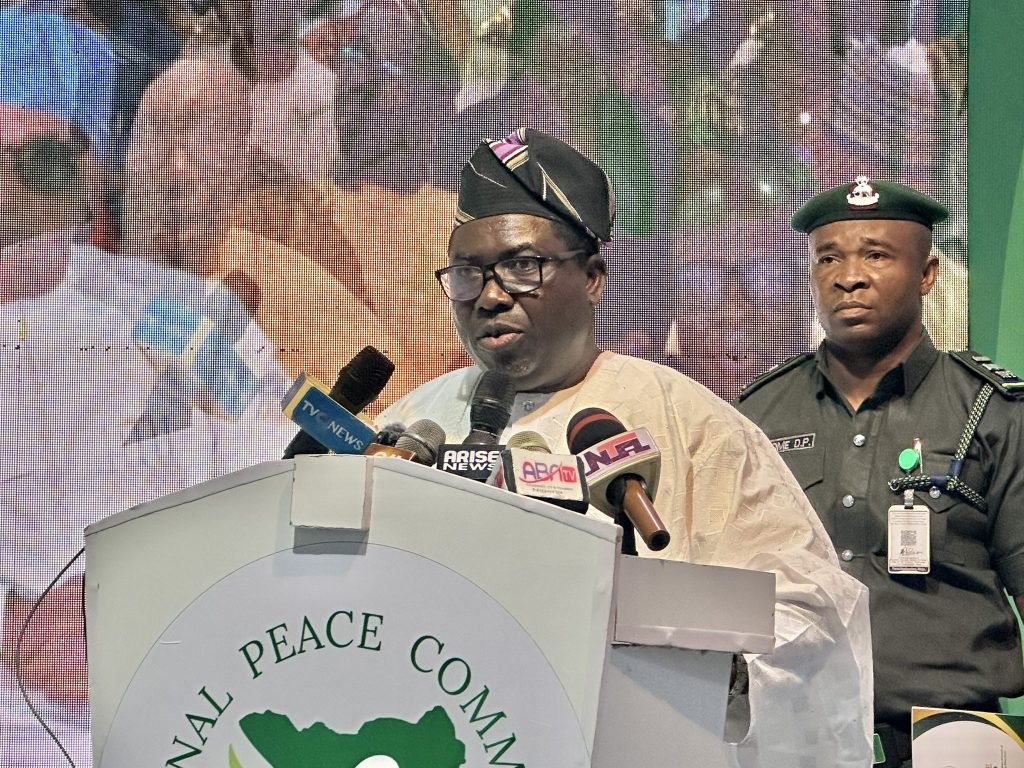
The commitment was reinforced at a strategic joint implementation meeting of the Voter Education and Publicity Department and the Gender and Inclusivity Department, which brought together Heads of Voter Education from the 36 States and the Federal Capital Territory (FCT) to coordinate sustained, targeted and effective voter education and public engagement ahead of the 2027 General Election.
The meeting, held following the conclusion of the recent off-cycle governorship elections in Ekiti and Osun States, was convened to provide clarity on the Commission’s approved programmes, strengthen coordination between the two departments and ensure timely, consistent and effective implementation at both national and state levels.
Speaking at the meeting, the National Commissioner and Chairman of the Information and Voter Education Committee, Mallam Mohammed Kudu Haruna, said the Commission’s immediate priority was to develop and implement effective information and communication strategies capable of mobilising Nigerians of voting age to participate actively in the 2027 General Election.
Mallam Haruna described the task as both simple and complex.
He explained that voter education revolves around fundamental questions of why citizens should vote, who the target audiences are, what information should be communicated, how the messages should be delivered and when engagement should take place.
However, he noted that answering these questions effectively across Nigeria’s diverse population requires careful planning, professionalism and sustained engagement.
He said the principal objective of voter education is to educate Nigerians on how to participate in elections and persuade eligible voters of the importance of exercising their civic responsibility to choose their leaders, while recognising that voting in Nigeria is voluntary.
The National Commissioner identified women, youth, the media, civil society organisations, persons with disabilities and other relevant stakeholder groups as important target audiences whose information needs must be properly understood and addressed.
He stressed that every message issued by the Commission must be accurate, truthful, timely, transparent and consistent, while communication channels must be selected based on the target audience and the nature of the message.
He also underscored the importance of monitoring and evaluating communication efforts to determine their effectiveness.
Mallam Haruna challenged officers responsible for voter education and publicity to continually improve their communication skills and deepen their knowledge of the electoral process. He emphasised the need for simple, clear and civil communication, alongside a sound understanding of the Constitution, electoral laws, the Commission’s regulations and guidelines, and other relevant legislation, including the Freedom of Information and Data Protection laws.
He further stressed the importance of understanding and complying with the Commission’s communication policy, noting that effective information management is critical to earning and sustaining public confidence in the electoral process.
The National Commissioner said the task before the Commission was enormous and that preparations for the 2027 General Election must be accelerated. He expressed confidence that the implementation meeting would provide the necessary direction for the departments to close existing gaps and translate approved programmes into practical field activities.