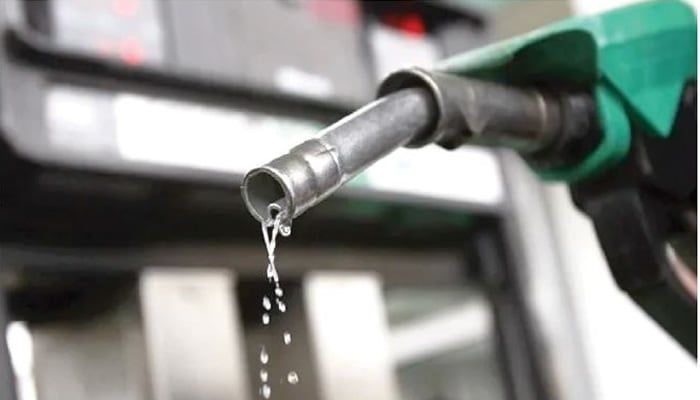
Former Vice President Atiku Abubakar’s Media Adviser, Paul Ibe, has criticised the Federal Government’s comparison of petrol prices in Nigeria and the United States, arguing that the figures do not reflect the economic realities facing ordinary Nigerians.
Ibe, in a statement shared on Wednesday, said comparing the pump price of petrol in both countries without considering workers’ incomes, purchasing power and the cost of living gives a misleading picture of affordability.
He was reacting to comments by the Minister of State for Petroleum Resources (Oil), Heineken Lokpobiri, who reportedly compared fuel prices in Nigeria with those in the United States.
According to Ibe, “Minister Heineken Lokpobiri’s comparison of petrol prices in Nigeria and the United States is a textbook example of how statistics can obscure economic reality when stripped of income and purchasing power.”
He argued that the important issue is not the pump price alone but how much fuel citizens can buy with their wages.
“Telling a Nigerian earning ₦70,000 a month that petrol is ‘cheaper’ because an American pays a higher dollar price per litre ignores the question that actually matters: how much petrol can each worker afford from their earnings?” he said.
Ibe claimed that while Nigeria’s minimum wage of ₦70,000 can purchase only about 50 litres of petrol at a pump price of around ₦1,400 per litre, a worker earning the United States federal minimum wage can buy far more fuel with four weeks of earnings.
“That is the comparison Nigerians should be looking at. Americans may pay a higher nominal price for petrol, but they also earn substantially more,” he stated.
He further argued that Nigerians are already struggling with rising food prices, transport fares, rent, electricity bills, healthcare costs and the declining purchasing power of the naira.
According to him, expensive petrol also increases the cost of transportation, food production and other household expenses because Nigeria depends largely on road transport and petrol-powered generators.
Ibe said the government should answer key questions about how much fuel ordinary Nigerians can afford and whether households are better off under the current economic conditions.
“Affordability is measured against income, purchasing power and the cost of living. Any comparison that leaves those out is economically incomplete,” he said.
He urged government officials to focus on indicators such as petrol as a percentage of workers’ wages, household income, food inflation, transport costs, unemployment, poverty levels and purchasing power instead of relying on international fuel price comparisons.
Ibe added that “Nigerians deserve economic arguments grounded in what families can actually afford, not comparisons that look reassuring only when wages and living costs are left out.”
As of the time of filing this report, the Federal Government had not issued a response to Ibe’s latest remarks. The debate comes amid continued public concern over the impact of fuel subsidy removal and broader economic reforms on the cost of living across the country.