The introduction of digital currency in Nigeria has occurred amid unique economic challenges. In recent times, individuals and companies have had to cope with inflationary pressures, lack of foreign currency and volatility in the naira exchange rate. These factors have altered the way that many Nigerians save their money, transfer funds and receive money from overseas. The introduction of Bitcoin into this broader financial environment has been somewhat controversial but is nonetheless gaining ground among younger Nigerians, freelancers and frequent international business people.
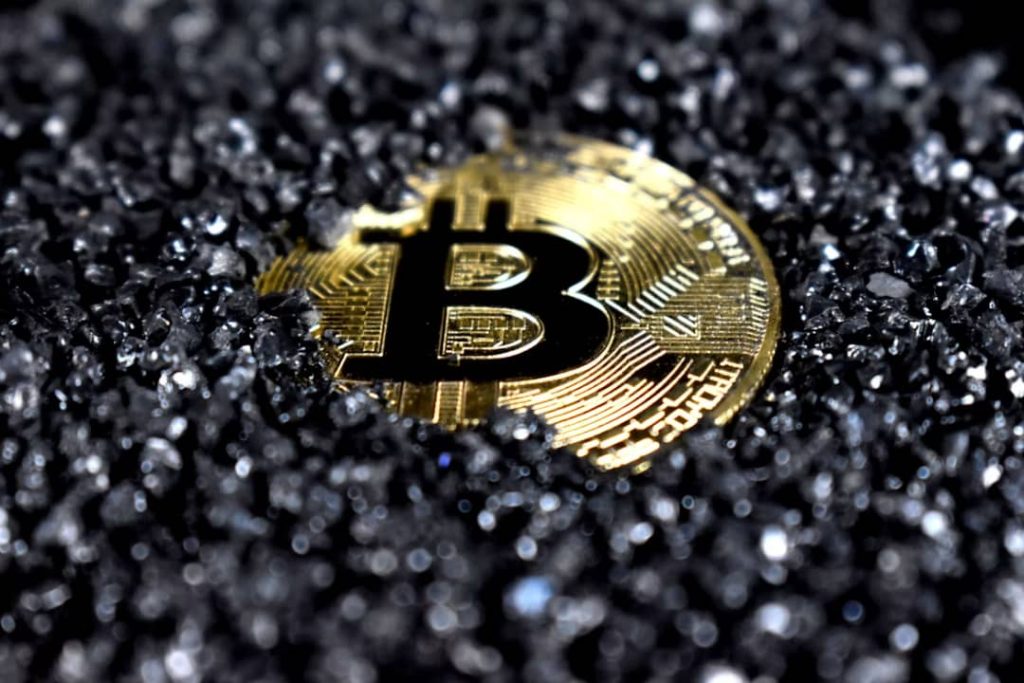
For those meeting cryptocurrency for the first time, learning what is bitcoin explains how the digital currency can become so relevant when there is doubt in regard to local currency. Bitcoin is a digital asset that uses a peer-to-peer network to enable transactions to be conducted via a publicly shared blockchain. The currency can be moved between parties without using the usual international banking system for all of the processes involved in the transaction. In Nigeria, this has made Bitcoin interesting due to issues related to foreign currency.
Why Nigerians Look Beyond Traditional Payments
Nigeria has one of Africa’s largest economies and a young population that is highly comfortable with mobile technology. Digital payments are already part of daily life for millions of people. Bank transfers, fintech applications and mobile services have made electronic transactions common even among people who rarely visit a physical bank branch.
At the same time, international payments present a different challenge. Nigerian businesses buy services abroad, freelancers work for foreign clients and families receive money from relatives living in other countries. Each of these activities can create demand for dollars or other foreign currencies.
Currency shortages have made this issue particularly important. Bloomberg examined the country’s foreign-exchange difficulties in its article Why Nigeria’s Petrodollar Economy Is Short of Dollars, describing how shortages of hard currency have affected the economy while reforms have changed the value of the naira.
For some Nigerians, digital assets therefore become another tool within a wider set of financial options. Common reasons for interest include:
● receiving payments from clients outside Nigeria
● transferring value between countries
● holding an asset denominated outside the naira system
● accessing global digital markets
● experimenting with new financial technology
These uses can overlap, although the risks and practical challenges differ considerably.
Bitcoin and Cross-Border Money
Cross-border payments are one of the clearest areas where cryptocurrency has gainedattention. Nigeria receives billions of dollars in remittances each year, while its growing technology and freelance sectors create another large flow of international payments.
Traditional international transfers can involve correspondent banks, payment processors and currency conversion. Fees and processing times depend heavily on the service being used. Cryptocurrency provides another possible route because Bitcoin can move directly betweendigital wallets.
That simplicity at the network level does not mean every transaction is simple for the user. Someone receiving Bitcoin usually needs a way to convert it into naira if the money will eventually be spent on rent, food or other local expenses. Exchange fees, network fees and price movements can affect the final amount received.
Bitcoin’s volatility is especially important. A payment worth a certain amount when it is sent can have a different value when it is converted. For households relying on predictable income, that uncertainty deserves careful consideration.
As such, stablecoins are yet another component of Nigeria’s cryptocurrency landscape. The values of such cryptocurrencies are tied to traditional currencies, including the US dollar, which makes them a great tool for those interested in moving value in dollars rather than investing in Bitcoin.
Regulation Is Becoming More Important
The rapid growth of cryptocurrency activity has created difficult questions for Nigerian regulators. Authorities have expressed concerns about consumer protection, money laundering, illegal transactions and the potential influence of crypto markets on demand for foreign currency.
Nigeria’s regulatory position has also evolved over time. The country moved from restrictions on banks dealing with cryptocurrency businesses toward a framework where regulated digital asset companies could gain access to banking services under specific conditions.
The Securities and Exchange Commission has played an increasingly visible role in this process. Reuters reported in Nigeria plans additional rules to combat illegal trading in digital assets that the regulator was preparing additional measures covering parts of the digital asset industry while focusing on registration and illegal trading activity.
The direction suggests that cryptocurrency is becoming a regulatory issue that will remain on Nigeria’s economic agenda. Policymakers face several questions:
● how exchanges should be licensed and supervised
● how customer funds should be protected
● how suspicious transactions should be identified
● how cryptocurrency activity should be taxed
● how regulators should approach peer-to-peer markets
Clearer rules could have a significant effect on how businesses and individuals use digital assets in the future.
The Bigger Question Is Financial Access
The discussion surrounding the adoption of Bitcoin in Nigeria is often centered on fluctuations in pricing or the imposition of regulatory frameworks, but the larger picture revolves around the availability of financial resources. The Nigerian population is seeking methods through which they can save money, make transactions, engage in global business and safeguard their finances from the adverse effects of economic uncertainty.
Technical solutions alone will not mitigate the structural challenges that underlie issues such as inflation, exchange rates and the shortage of foreign currencies, as even digital assets are affected by these challenges since people seek alternative financial instruments if the regular options are difficult or costly to use.
However, there are significant dangers involved in all of this. Bitcoin prices can rapidly change within a short span of time. Transactions involving cryptocurrencies are not easy to cancel once made, making mistakes a potentially costly affair.
Thus, anyone looking at cryptocurrency needs some financial discipline. Learning about wallets, being careful with transaction details, securing one’s password and avoiding guarantees of profits are just simple steps that can save people from costly mistakes.
From Nigeria’s experience, it becomes clear why Bitcoin became not just a question related to investments on the internet, but a topic connected with naira, remittance, forex, fintech and finance regulations. As the country is developing its payment system further and creating better regulations for digital currencies, Bitcoin is likely to become a part of the discussion of how people in Nigeria will keep their money.
It depends on the regulation, technology and economic factors as well as decisions of millions of individuals what role will be played by Bitcoin in Nigeria in the future. What can be said for sure is that the current popularity of Bitcoin shows one thing – people in the country become more interested in using innovative tools in order to receive fast access to international money.